nflanagan
Ireland’s fuel crisis
Ireland is currently facing a growing fuel crisis, triggered by global conflict disrupting oil supplies and driving prices to record levels.
As a country heavily dependent on imported fuel, Ireland has seen diesel prices more than double in the past year, placing huge pressure on key industries such as farming and transport.
As costs increased, farmers and truck drivers reached a breaking point. In response, protests have spread across the country, with tractors and trucks blocking fuel depots, roads, and supply routes in an effort to pressure the government to reduce fuel costs. However, these actions have also stopped fuel from being delivered around the country, leading to shortages at petrol stations and further disruption to businesses and farms.
The effects are now being felt at a local level. Many small businesses are struggling to continue operating due to rising costs and lack of fuel. In rural areas, the impact is even more serious. Farms, which rely heavily on fuel for machinery and transport, are now facing major challenges.
For example on my own family farm, feed suppliers have been unable to deliver animal feed due to the lack of deiseal and protests. Without regular feed, farmers face the risk of not being able to properly sustain their animals, raising serious concerns about animal welfare and food production for the entire country. Ireland’s fuel crisis be seen as a real emergency.
This situation highlights how a global crisis can quickly turn into a national emergency. Rising fuel costs are not only affecting transport but are now threatening Ireland’s agriculture sector, which is one of the country’s most important industries. If farms and supply chains continue to be disrupted, this could lead to reduced food availability, business closures, and wider economic consequences.
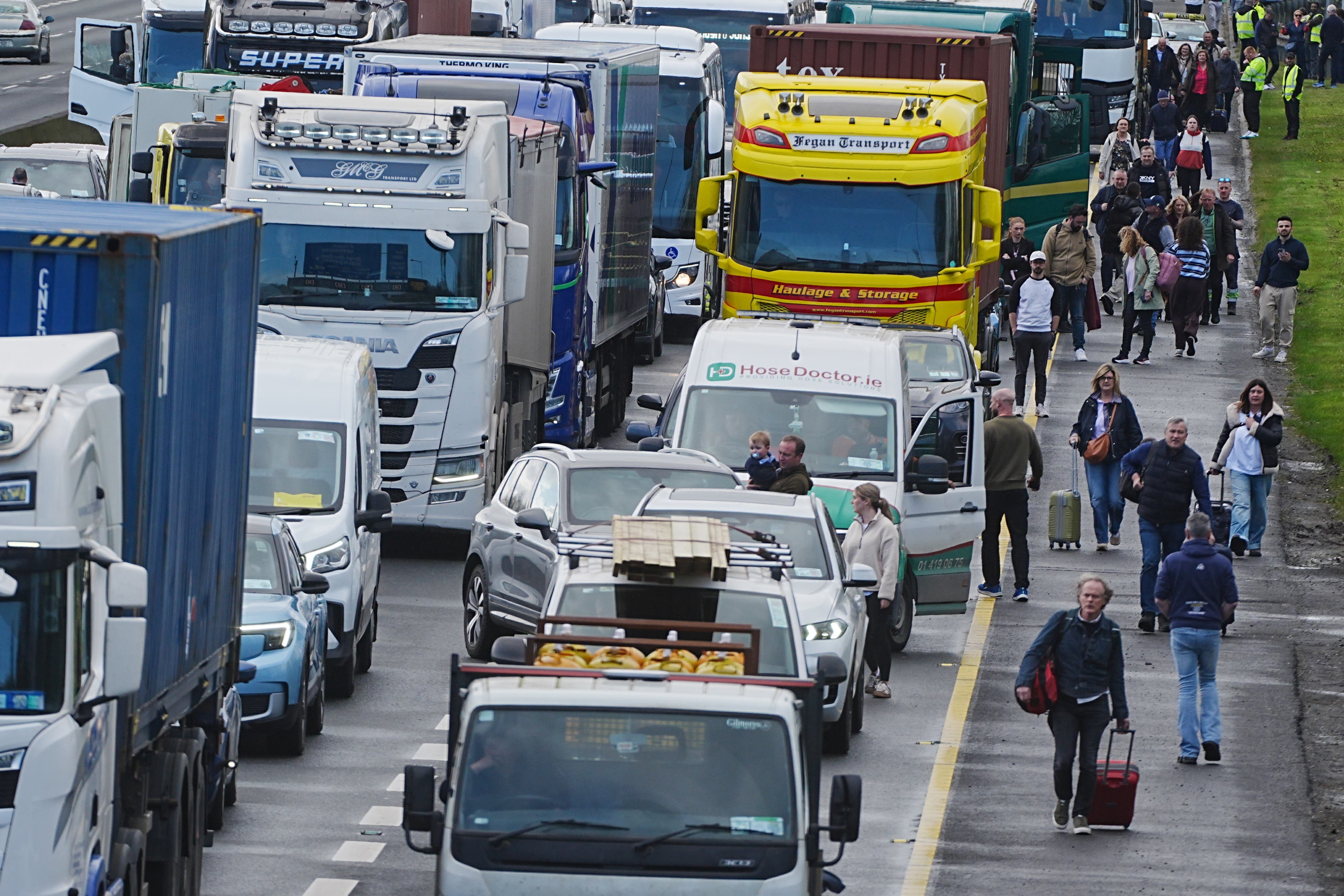
As the crisis continues, the focus remains on how quickly fuel distribution can be restored and whether solutions can be found to support the industries most affected.